Lawn Care Tips
Best Grass Types for Houston Lawns: Which Variety Suits Your Yard?
GreenBee Lawn Team
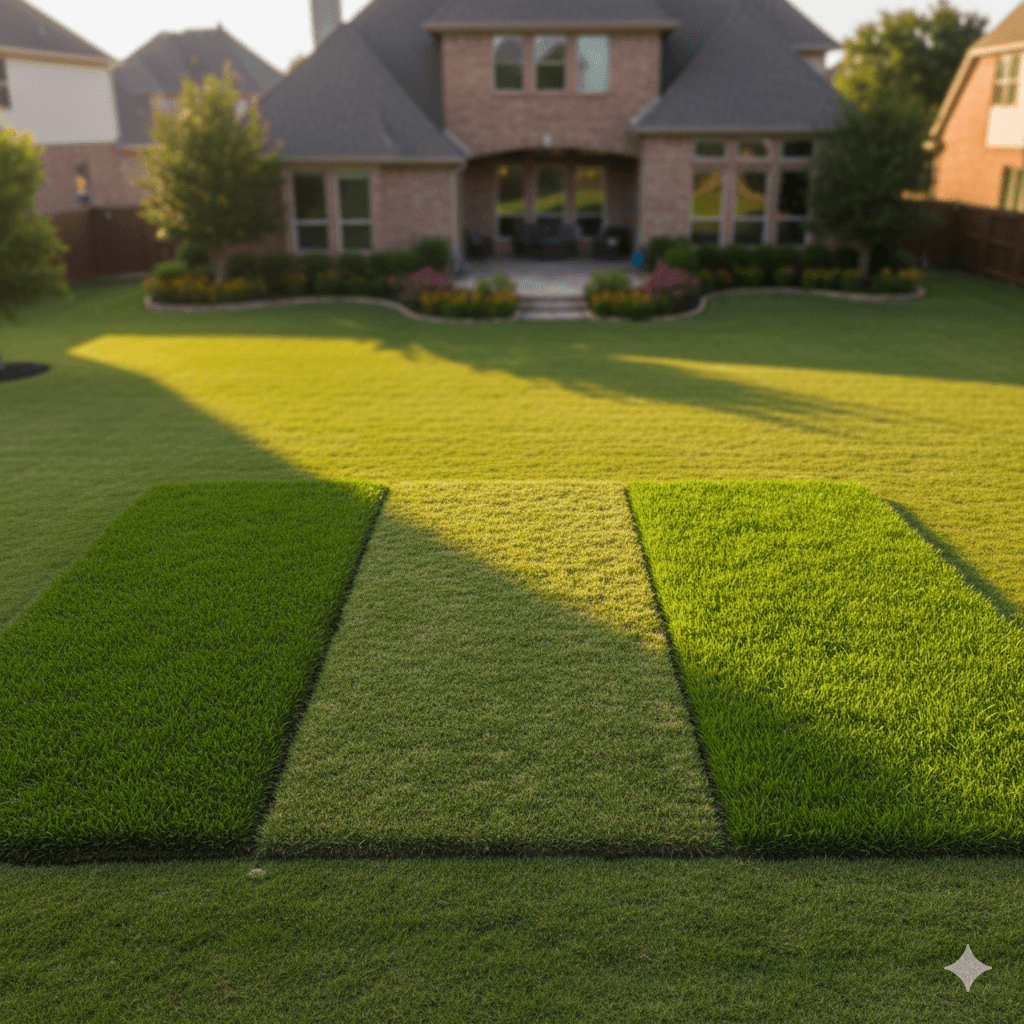
Choosing the right grass type is fundamental to having a beautiful, low-maintenance lawn in Houston. Our warm, humid climate limits which varieties thrive, but you have several excellent options. This guide compares the best grasses for the Houston area.
Houston sits in the warm-season grass zone. Our long, hot summers, unpredictable spring weather, and occasional cold snaps in winter mean cool-season grasses won't survive long-term. Warm-season varieties are essential.
Climate Facts:
St. Augustine is the most popular grass in the Houston area. This shade-tolerant variety dominates residential lawns throughout southeast Texas.
Advantages:
Disadvantages:
Best For: Most Houston residential lawns, especially properties with shade or partial shade
Bermuda is the second most common warm-season grass in Houston, particularly popular for sports fields, golf courses, and sun-intensive areas.
Advantages:
Disadvantages:
Best For: Sun-exposed lawns, athletic fields, high-traffic areas, drought-tolerant landscapes
Zoysia is gaining popularity in Houston as homeowners discover its benefits. This dense grass offers a middle ground between St. Augustine and Bermuda.
Advantages:
Disadvantages:
Best For: Homeowners seeking density and appearance of St. Augustine with improved drought tolerance
Native to the Great Plains, Buffalograss is emerging as a sustainable option for drought-conscious Houston residents.
Advantages:
Disadvantages:
Best For: Drought-resistant landscapes, native plant enthusiasts, low-maintenance properties
Developed for coastal areas, Seashore Paspalum offers unique benefits for Houston properties near the coast.
Advantages:
Disadvantages:
Best For: Coastal Houston properties with salt spray exposure or seasonal flooding concerns
| Grass Type | Shade | Drought | Foot Traffic | Maintenance | Appearance | |------------|-------|---------|--------------|-------------|-----------| | St. Augustine | Excellent | Good | Fair | Moderate | Excellent | | Bermuda | Poor | Excellent | Excellent | High | Good | | Zoysia | Moderate | Good | Good | Moderate | Excellent | | Buffalograss | Poor | Excellent | Fair | Low | Fair | | Seashore Paspalum | Fair | Good | Moderate | High | Good |
Consider these factors:
Shade on Your Property: If you have significant shade, St. Augustine or Zoysia are your best bets. Full-sun properties can use any variety.
Maintenance Level: Bermuda demands more attention. Buffalograss requires least maintenance.
Aesthetic Preferences: St. Augustine and Zoysia offer the finest appearance. Bermuda is workable but coarser.
Budget Constraints: St. Augustine sod is most affordable. Zoysia and specialty varieties cost more.
Long-Term Plans: Drought-tolerance matters more each year in Texas.
Choosing the right grass for your specific property requires understanding your microclimate, soil conditions, and maintenance preferences. Professional lawn care services can evaluate your property and recommend the ideal solution for your circumstances.
Subscribe to our newsletter to receive seasonal lawn care guides, maintenance tips, and special offers delivered to your inbox.
Subscribe Now