Houston summers are among the toughest tests for lawn grass. With temperatures regularly exceeding 95°F and humidity above 70%, lawns face extreme stress. This comprehensive guide explains how to prepare and maintain your lawn through the summer season.
Spring Preparation (March-May)
The key to summer success is spring preparation. Start these practices now to give your lawn the strength to survive upcoming heat.
Deep Watering Schedule: Begin training your lawn for summer by watering deeply but less frequently. Deep, less-frequent watering encourages deep root growth, which helps grass survive summer stress.
- Water 2-3 times weekly in spring
- Apply 1-1.5 inches per watering
- Water in early morning to minimize evaporation
- Let water penetrate 6-8 inches into soil
Aeration and Dethatching: Schedule professional aeration in April or May. This process:
- Relieves soil compaction
- Improves water infiltration
- Promotes deep root growth
- Enhances nutrient availability
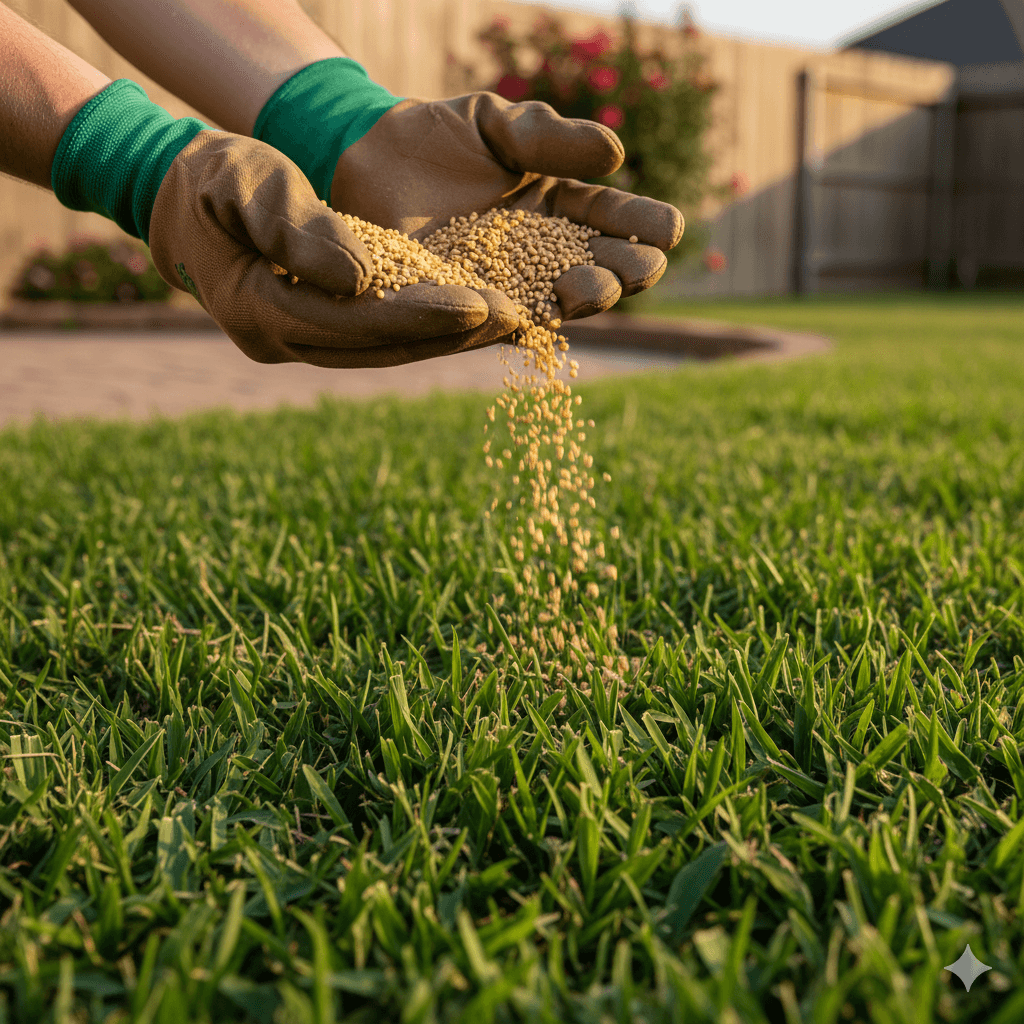
Fertilization Strategy: Apply a balanced spring fertilizer to build grass strength. Focus on:
- Phosphorus for root development
- Potassium for stress tolerance
- Slow-release nitrogen for steady growth
Summer Watering: The Critical Factor
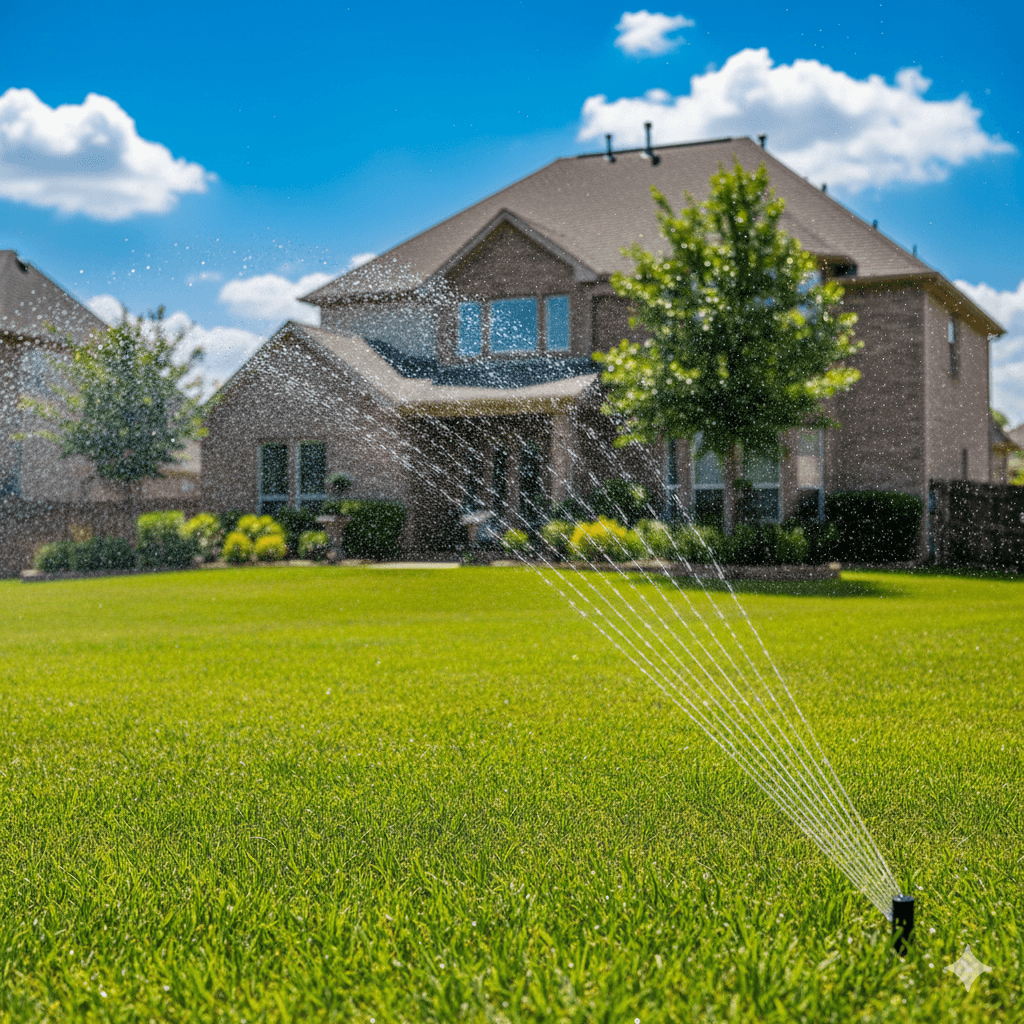
Summer watering is the single most important factor determining lawn survival. Most lawn problems stem from improper irrigation.
Morning Watering: Always water between 5:00 AM and 8:00 AM. Early morning watering:
- Minimizes evaporation
- Allows dry foliage (reducing disease)
- Matches natural rainfall patterns
- Provides water before the hottest part of day
Frequency and Duration:
- Water daily in extreme heat (95°F+)
- Apply 1/2 to 3/4 inch per watering
- Monitor soil moisture; don't assume it's adequate
- Adjust for rainfall; count toward watering needs
Soil Moisture Testing: Check soil moisture by:
- Pushing a screwdriver into soil; it should penetrate easily
- Observing grass color and texture
- Using a soil moisture meter
- Adjusting frequency based on conditions
Drought Stress Signs: Watch for indicators your lawn needs water:
- Grass appears dull or grayish
- Footprints remain visible in grass
- Tips curl or appear wilted
- Overall color loss
Mowing During Summer
Proper mowing technique dramatically affects stress tolerance.
Height Management:
- Raise mower height to 3-4 inches for St. Augustine
- Taller grass shades soil, reducing moisture loss
- Taller grass protects crowns from heat stress
- Longer blades photosynthesize more effectively
Frequency:
- Mow weekly, removing no more than 1/3 blade height
- Dull blades tear grass, stressing plants
- Sharp blades cut cleanly, reducing water loss
- Avoid mowing during peak heat (10 AM - 4 PM)
Clipping Management:
- Leave clippings on lawn (grasscycling)
- Clippings provide mulch, reducing moisture loss
- Returning nutrients to soil
- Only remove if clippings create thatch
Fertilization During Summer
Most lawns need minimal fertilization during summer. Excessive fertilization:
- Promotes tender new growth vulnerable to heat
- Increases water needs
- Can burn grass during heat stress
- Encourages disease susceptibility
Summer Feeding:
- Skip heavy applications during peak heat
- Apply light slow-release fertilizer in early summer
- Use products with higher potassium for stress tolerance
- Consider micronutrient applications for color
Pest and Disease Management
Summer heat creates conditions for specific problems.
Chinch Bugs: Most active during summer. Watch for yellow/brown patches in hot, sunny areas. Treat early before damage spreads.
Brown Patch Disease: Fungal disease thrives in humid conditions with evening irrigation. Avoid evening watering to reduce humidity around foliage.
Other Concerns:
- Webworms
- Grubs
- Dollar spot disease
- Fungal infections
Stress Relief Practices
When grass shows severe stress:
Reduce Traffic: Minimize foot traffic on stressed lawns. Every step compresses soil and stresses roots.
Avoid Chemicals: Don't apply herbicides, insecticides, or harsh chemicals when grass is heat-stressed.
Supplement Irrigation: Consider subsurface drip irrigation or soaker systems for consistent moisture.
Monitor Continuously: Check grass daily during extreme heat events.
Emergency Response for Severe Heat
During extreme heat waves (sustained 100°F+ temperatures):
Increase Watering:
- Water daily, possibly twice daily
- Use longer watering periods to achieve deeper moisture
- Monitor soil moisture closely
Protective Measures:
- Hold off on mowing if possible
- Avoid any stress-inducing activities
- Provide shade if possible (temporary shade cloth on most vulnerable areas)
- Reduce foot traffic completely
Realistic Expectations
Accept that some summer dormancy is normal. Even healthy lawns may:
- Show reduced growth
- Develop lighter color
- Appear thin temporarily
- Slow recovery from wear
This is natural stress response. With proper care, your lawn will recover fully when temperatures moderate.
When to Call Professionals
Contact lawn care professionals if:
- You notice unusual discoloration despite proper watering
- Brown patches spread rapidly
- Insect damage appears severe
- You're uncertain about irrigation settings
- You need specialized treatments
Professional summer lawn care in Houston should focus on survival and recovery, not aesthetics.
Stay Updated with Lawn Care Tips
Subscribe to our newsletter to receive seasonal lawn care guides, maintenance tips, and special offers delivered to your inbox.
Subscribe Now