Lawn aeration is one of the most beneficial practices for maintaining healthy Houston grass, yet many homeowners overlook this critical service. Understanding when your lawn needs aeration helps you schedule this important maintenance at the right time.
What Is Lawn Aeration?
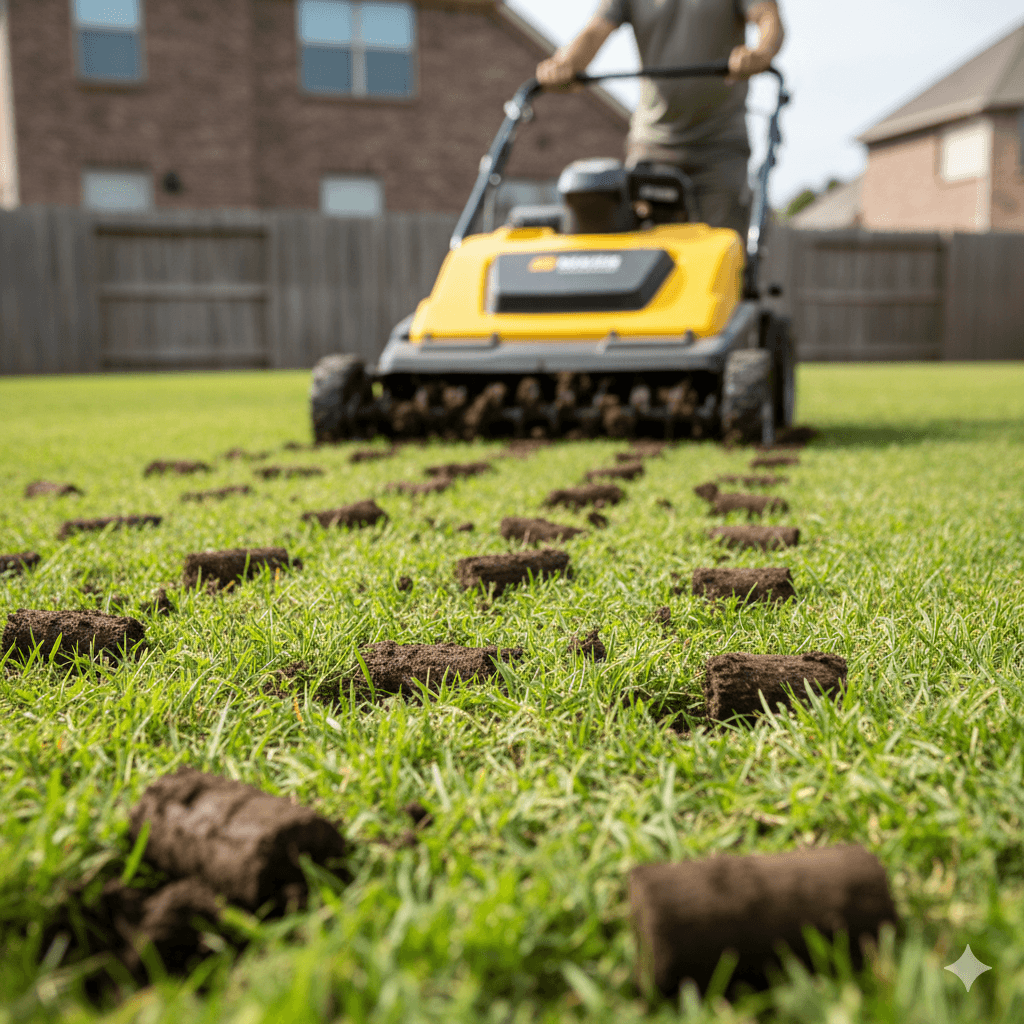
Aeration is the process of creating small holes in your lawn to relieve soil compaction. A mechanical aerator removes small plugs of soil from the lawn, creating channels that allow air, water, and nutrients to reach grass roots more effectively.
Why Aeration Matters:
- Compacted soil prevents roots from expanding
- Poor water infiltration leads to runoff and puddles
- Limited nutrient availability stunts growth
- Shallow-rooted grass is more drought-susceptible
- Thatch accumulation increases
- Disease and pest problems worsen
Key Signs Your Lawn Needs Aeration
1. Water Runoff and Puddles
Water pooling on your lawn or running off is a primary indicator of compaction. If water doesn't soak into the soil quickly, roots can't access moisture even after you water.
What to Look For:
- Puddles forming after normal watering
- Water running across lawn surface
- Soil feeling hard or crusty
- Water beading on soil surface
2. Heavy Foot Traffic Areas
Compaction is often visible in high-traffic areas like pathways between your home and gate, around children's play areas, or near dog runs.
What to Look For:
- Visible wear paths where grass is thin or dead
- Hardened, compacted soil in traffic areas
- Poor drainage in walking paths
- Weeds concentrating in traffic zones
3. Thin or Weak Grass
Compacted soil directly limits grass growth by restricting root development. Grass growing in compacted soil appears thin, weak, and slow-growing.
What to Look For:
- Thin grass coverage
- Slow growth despite fertilization
- Pale or yellowing color
- Poor recovery from traffic or stress
4. Thatch Buildup
Thatch is accumulated dead grass and organic matter on the soil surface. Excessive thatch (more than 1/2 inch) prevents water and nutrient penetration.
Testing for Thatch:
- Cut down into lawn and examine the layer
- Feel the spongy layer between grass and soil
- Measure thickness; over 1/2 inch is problematic
- Thatch-bound lawns feel bouncy and soft underfoot
Aeration helps break down thatch by:
- Stimulating microbial activity
- Creating channels for organic matter decomposition
- Improving overall soil health
5. Poor Response to Fertilization
If you're fertilizing regularly but seeing minimal growth response, compaction may be preventing nutrient utilization.
What to Look For:
- Fertilizing but no visible greening
- Other lawns in neighborhood respond better to similar treatment
- Continued thin coverage despite nutrient applications
- Color issues despite adequate fertilization
6. Water-Resistant Soil
Some soils become hydrophobic (water-resistant) due to compaction and organic matter breakdown. Water refuses to penetrate, instead running off the surface.
Testing for Water Resistance:
- Pour water on soil and observe absorption
- Compare to areas you know absorb well
- Check for standing water patterns
- Observe during heavy rain
7. Moss and Weed Presence
Mosses thrive in compacted, poorly drained soil. Excessive weeds often indicate soil conditions aren't ideal for your desirable grass.
What to Look For:
- Moss patches spreading
- Weeds dominating weak areas
- Concentration of problems in specific zones
- Particular species thriving despite control efforts
When to Aerate: Seasonal Timing
Timing aeration with your grass type and climate is crucial.
For St. Augustine Grass (most common in Houston):
- Best time: Late spring (May-June) or early fall (September)
- Warm temperatures promote recovery
- Adequate moisture supports healing
- Grass is actively growing
For Bermuda Grass:
- Best time: Late spring (May-June)
- Can also aerate in fall, but spring is preferable
- Avoid winter dormancy period
For Zoysia Grass:
- Best time: Late spring (May-June)
- Good recovery during warm growing season
Fall Aeration:
- September aeration is often better than spring
- Grass has time to fill aeration holes before dormancy
- Weather is more favorable for equipment
- Roots recover during cool, moist months
- Promotes spring green-up
Aeration Process Explained
What Happens During Aeration
- Machine Operation: Core aerator removes 2-3 inch deep plugs of soil
- Plug Spacing: Holes created on 2-4 inch spacing across entire lawn
- Soil Plugs: Removed plugs remain on lawn surface
- Immediate Effects: Creates channels for air, water, nutrient movement
After Aeration
- Holes close naturally within 2-4 weeks
- Soil plugs break down and reintegrate
- Grass covers holes as it grows
- Beneficial organisms colonize new channels
- Roots expand into loosened soil
Post-Aeration Care
Watering
Water thoroughly after aeration to settle soil and support recovery.
- Water immediately after aeration
- Apply 1/2 to 3/4 inch of water
- Water regularly for 2-3 weeks following
- Support active growth during recovery
Fertilization
Light fertilization after aeration supports recovery and growth.
- Apply balanced or low-nitrogen fertilizer
- Avoid heavy applications immediately after
- Consider a second application 4-6 weeks later
- Coordinate with pre-emergent timing
Mowing
Continue normal mowing schedule after aeration.
- Mow as needed based on growth
- Don't scalp freshly aerated lawn
- Clip height can be slightly lower than normal
- Leave clippings to return nutrients
How Often Should You Aerate?
Frequency depends on soil condition and use:
Annual Aeration:
- Recommended for most Houston lawns
- Especially important in compacted soils
- Heavy-traffic properties benefit most
Biennial Aeration:
- Every other year for moderate-use properties
- Good maintenance schedule for most homeowners
As-Needed Aeration:
- Only when signs appear
- Less frequent but still beneficial
Professional vs. DIY Aeration
DIY Aeration
Pros:
- Cost savings
- Control over timing
- Flexible scheduling
Cons:
- Equipment rental costs
- Physical labor intensive
- Inconsistent coverage possible
- Timing challenges for larger properties
Professional Aeration
Pros:
- Consistent, thorough coverage
- Proper timing and technique
- Professional-grade equipment
- Often combined with other services
- Warranty on work
Cons:
- Higher cost than rental
- Must coordinate scheduling
- Limited ability to customize
Aeration and Other Services
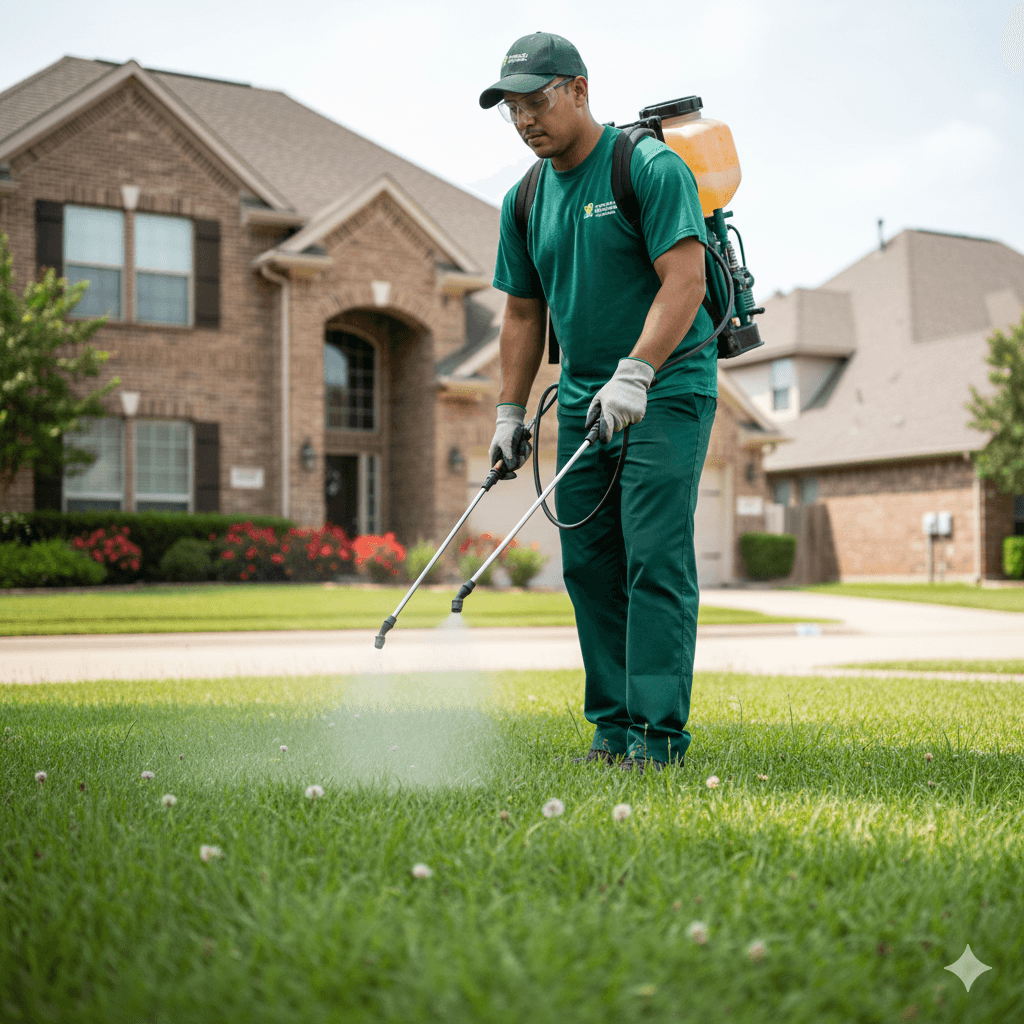
Professional lawn care often combines aeration with:
- Dethatching
- Overseeding
- Fertilization
- Pest treatment
- Disease management
This integrated approach provides maximum benefit.
Expected Results
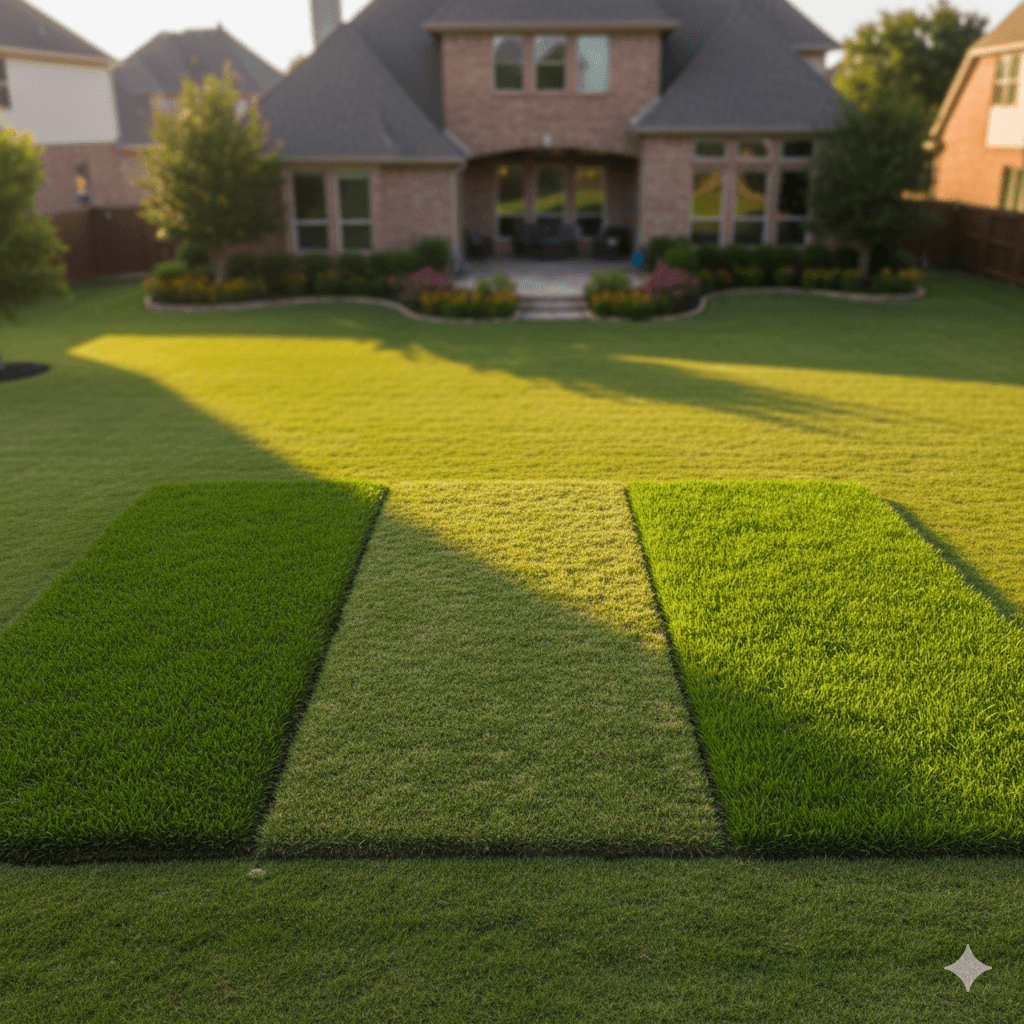
After aeration, expect improvement within:
- 2-4 weeks: Initial recovery visible
- 6-8 weeks: Noticeable improvement in drainage and growth
- 3-4 months: Significant visual improvements
- One year: Best results from annual aeration program
Patience is necessary; aeration benefits develop gradually as grass establishes deeper roots and soil structure improves.