Fungal diseases are a constant threat to Houston lawns due to our warm, humid climate. Understanding how to identify, prevent, and treat common diseases protects your investment. This guide covers the diseases most problematic for our area.
Houston's Disease-Friendly Climate
Houston's warm, humid environment creates perfect conditions for fungal diseases:
- High humidity provides moisture fungal spores need
- Warm temperatures accelerate fungal growth
- Summer rains keep foliage wet
- Fall moisture extends disease season
- Winter dormancy doesn't completely stop some fungi
Disease prevention and early treatment are critical in Houston lawns.
Brown Patch (Large Patch)
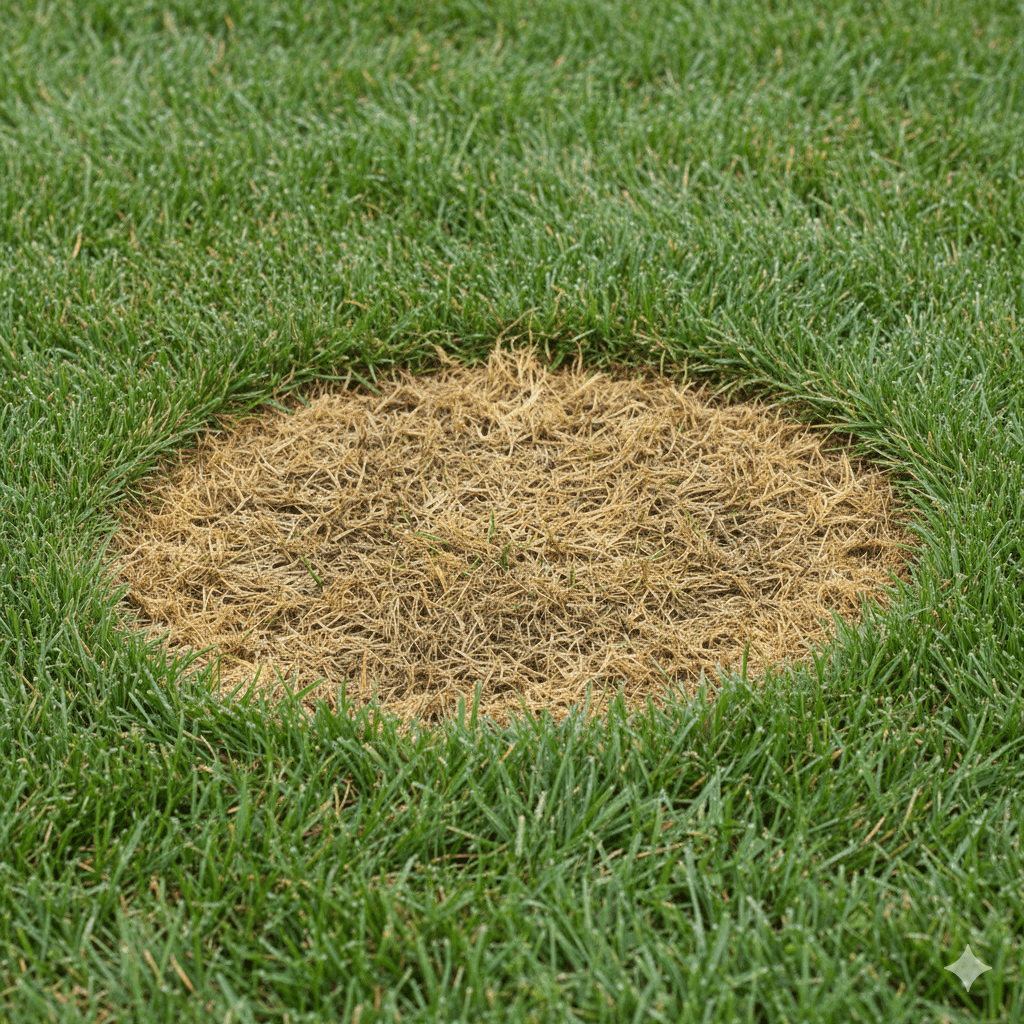
Brown patch is the most destructive disease in Houston St. Augustine lawns. Also called large patch when affecting warm-season grasses in fall/winter.
Identifying Brown Patch
Appearance:
- Circular brown patches, 1-6 feet in diameter
- Yellow halo around patch edge
- Rapid expansion in wet conditions
- Affected grass tissue dies
Pattern:
- Often in morning when dew heavy
- Spreads outward from initial center
- Multiple patches may coalesce
- Severe wilting possible
Timing:
- Spring and fall during humid, warm conditions
- Worse when temperatures 70-90°F with high humidity
- Can occur during Houston's unusual freezes followed by warm spells
Grass Types Affected:
- St. Augustine (most susceptible)
- Bermuda (less susceptible but affected)
- Zoysia (some susceptibility)
Brown Patch Causes
Fungal Pathogen: Rhizoctonia solani causes brown patch. The fungus lives in soil and on plants.
Contributing Factors:
- High humidity and wet foliage
- Evening or overhead irrigation
- Poor air circulation
- Nitrogen over-fertilization
- Thatch accumulation
- Soil compaction
- Plant stress from other causes
Brown Patch Prevention
Cultural Controls (Most Important):
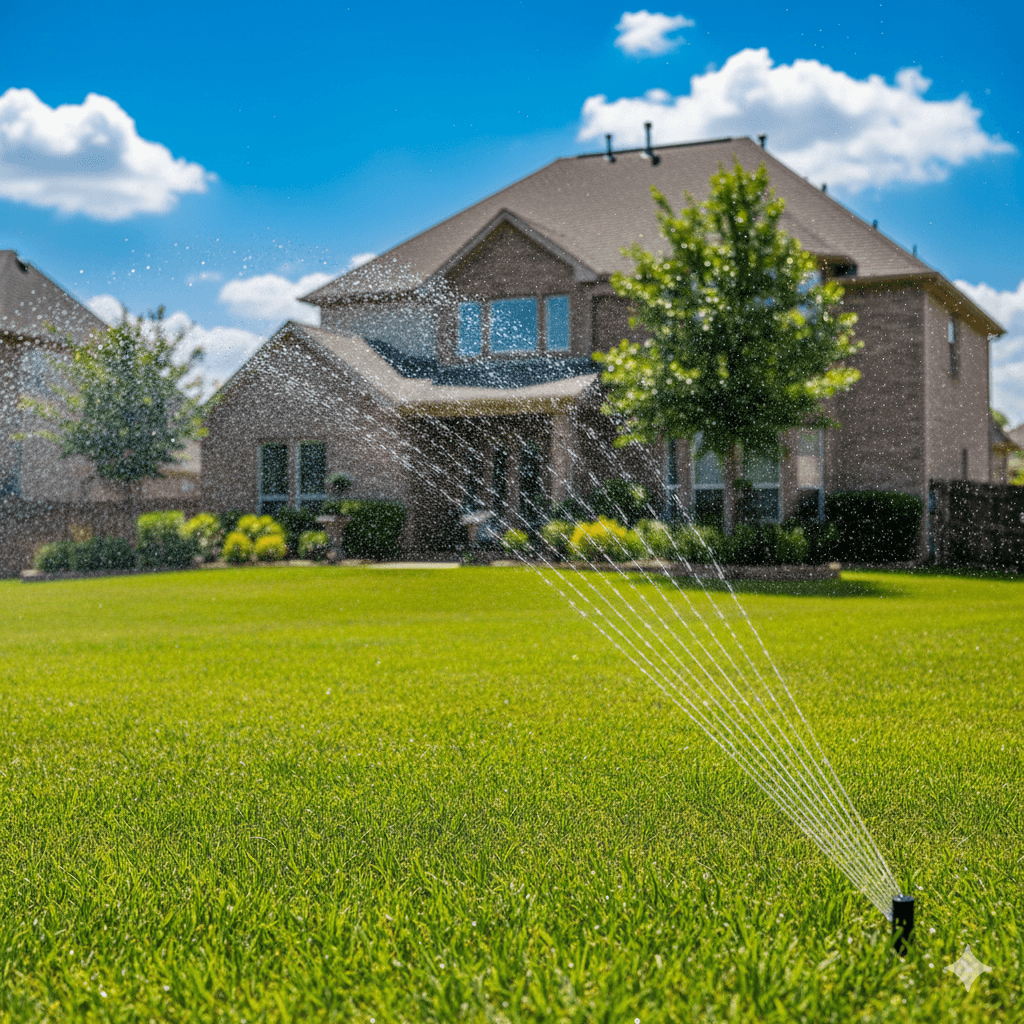
- Water in early morning (5-8 AM) to allow foliage to dry
- Avoid evening irrigation
- Ensure adequate air circulation through aeration
- Reduce thatch through dethatching and aeration
- Limit nitrogen applications, especially in problematic seasons
- Avoid over-watering
- Maintain proper mowing height (3-4 inches for St. Augustine)
Environmental Management:
- Improve drainage to reduce standing water
- Thin dense vegetation for better air circulation
- Remove leaves and debris that trap moisture
- Maintain proper spacing between plants
- Avoid creating conditions favoring disease
Brown Patch Treatment
Early Detection: Treat early before disease spreads.
Fungicide Options:
- Triazoles (propiconazole, tebuconazole)
- Benzimidazoles
- Carbamates
- Biological fungicides
Application Timing:
- Apply at first sign of disease
- Follow label instructions precisely
- May require repeat applications 7-14 days apart
- Best applied in early morning
Recovery:
- Disease may recur if conditions remain favorable
- Multiple applications may be necessary
- Prevention becomes more critical than cure
Dollar Spot
Dollar spot is a common fungal disease affecting multiple grass types, creating distinctive round patches.
Identifying Dollar Spot
Appearance:
- Small round patches, 1-2 inches diameter (resembles silver dollars)
- Tan or bleached color
- White fungal coating visible in morning dew
- Patches may coalesce into larger areas
Progression:
- Appears in warm months
- Spreads slowly in optimal conditions
- May appear on multiple grass species
- Indicates nitrogen deficiency or stress
Timing:
- Late spring through early fall
- Most common June-September
- Worse in hot, humid conditions
- Often accompanies high temperatures
Affected Grasses:
- All warm-season grasses
- More common in thin or stressed lawns
Dollar Spot Causes
Fungal Pathogen: Primarily Sclerotinia homeocarpa. Multiple species can cause similar symptoms.
Contributing Factors:
- Nitrogen deficiency (primary)
- Morning moisture/dew
- Warm days and cool nights
- Poor air circulation
- Leaf wetness duration
- Plant stress
Dollar Spot Prevention
Nitrogen Management (Key Factor):
- Maintain adequate nitrogen levels
- Avoid both deficiency and excess
- Apply balanced fertilizer appropriately
- Use slow-release nitrogen
Moisture Management:
- Morning watering only
- Avoid excessive irrigation
- Ensure good drainage
- Remove morning dew if possible (unrealistic for most properties)
Air Circulation:
- Aerate to improve air flow
- Thin dense vegetation
- Reduce thatch
- Maintain proper mowing height
Dollar Spot Treatment
Fungicide Treatment:
- Similar products to brown patch
- Application timing important
- Early treatment more successful
- May need repeat applications
Preventive Approach:
- Maintain nitrogen levels
- Improve overall lawn health
- Cultural controls often sufficient
Pythium Diseases
Pythium causes multiple diseases collectively called Pythium blight or damping off.
Types and Symptoms
Pythium Blight:
- Water-soaked lesions on grass blades
- Greasy appearance
- Rapid spread in warm, wet conditions
- Often creates circular patches
- Cotton-like fungal growth visible
Damping Off:
- Seedlings collapse
- Affects newly seeded areas
- Water-soaked appearance
- Kills seedlings at soil line
Pythium Causes
Environmental: Favored by:
- Warm temperatures (75-95°F)
- High humidity
- Extended leaf wetness
- Poor drainage
- Waterlogged conditions
Fungus: Over 100 Pythium species; multiple cause turf diseases.
Pythium Prevention and Treatment
Prevention:
- Avoid overwatering
- Improve drainage
- Reduce humidity through air circulation
- Water in morning only
- Maintain proper soil conditions
Treatment:
- Fungicides specifically labeled for Pythium
- Must be applied early
- Metalaxyl products effective
- Requires follow-up applications
Leaf Spot Diseases
Multiple fungi cause leaf spot on Houston grasses.
Identification
Appearance:
- Small spots on individual blades
- Various colors: purple, tan, brown
- May have dark borders or halos
- Spots enlarge over time
Severity:
- Usually cosmetic issue early on
- Can cause defoliation if severe
- Indicates stress condition
- Often self-limiting
Causes
Primary Causes:
- Poor nutrition
- Plant stress
- High moisture
- Air circulation problems
Contributing Factors:
- Compacted soil
- Thatch buildup
- Disease pressure
- Weakened grass
Prevention and Treatment
Prevention Emphasis:
- Maintain plant health
- Provide balanced nutrition
- Improve growing conditions
- Reduce stress
Treatment:
- Often unnecessary
- Fungicides available but rarely needed
- Focus on prevention
- Rarely economical to treat
Rust
Rust is a fungal disease creating orange/rust-colored pustules on grass blades.
Identifying Rust
Appearance:
- Orange or rust-colored dust on leaves
- Visible when rubbing affected area
- Leaves appear dusty
- Often asymmetrical on blade
Severity:
- Usually not severe in established lawns
- More problematic in stressed plants
- Cosmetic issue primarily
- Rarely requires treatment
Rust Causes
Fungal Species: Multiple fungi cause rust symptoms.
Favorable Conditions:
- Moderate temperatures
- High humidity and leaf wetness
- Plant stress or poor nutrition
- Weak grass vigor
Rust Management
Prevention:
- Maintain proper nutrition
- Adequate water without overwatering
- Proper air circulation
- Reduce plant stress
Treatment:
- Rarely necessary
- Usually self-limiting
- Fungicides available but often overkill
- Focus on plant health
General Disease Prevention Principles
Cultural Practices
Watering:
- Early morning irrigation only
- Avoid evening watering
- Adequate but not excessive moisture
- Proper drainage essential
Mowing:
- Proper height (3-4 inches St. Augustine, 2-3 inches Bermuda)
- Sharp blades to prevent tissue damage
- Avoid mowing wet grass
- Clean mower between properties
Soil Health:
- Aeration to reduce compaction
- Dethatching if needed
- Proper pH (6.0-7.5 for most grasses)
- Balanced nutrition
Vegetation Management:
- Thin dense growth
- Remove dead plant material
- Improve air circulation
- Eliminate shade if possible
Nutrition Management
Nitrogen Balance:
- Adequate but not excessive
- Slow-release better than quick-release
- Timing matters; avoid problematic periods
- Deficiency and excess both create problems
Complete Nutrition:
- Phosphorus for root health
- Potassium for stress tolerance
- Micronutrients for vigor
- Balanced ratios important
Resistant Varieties
Grass Selection:
- Some varieties show disease resistance
- Modern cultivars bred for resistance
- Variety selection matters
- Overseeding with resistant seeds
When to Call a Professional
Professional Intervention Warranted When:
- Disease is spreading rapidly
- Multiple applications needed
- Uncertain of disease identification
- Cultural controls haven't helped
- Systemic treatment necessary
- Disease resistance planning needed
Professional diagnosis and treatment often saves time and money compared to trial-and-error approaches.
Disease Management Timeline
Spring:
- Watch for brown patch
- Avoid evening irrigation
- Begin fertilization program
- Aerate if needed
Summer:
- Monitor closely for diseases
- Maintain proper watering
- Avoid stress conditions
- Treat aggressively if disease appears
Fall:
- Watch for brown patch recurrence
- Begin fall disease prevention
- Maintain nutrition
- Prepare for winter conditions
Winter:
- Some diseases dormant but fungi persist
- Avoid unnecessary stress
- Maintain proper conditions
- Plan spring prevention
Disease-Resistant Integrated Approach
Best disease management combines:
- Proper variety selection
- Cultural practices optimization
- Proactive prevention
- Early detection and treatment
- Professional support when needed
- Continuous monitoring
This comprehensive approach minimizes disease problems in Houston's challenging climate.