Pest Control
How to Identify Chinch Bugs in St. Augustine Grass
GreenBee Lawn Team
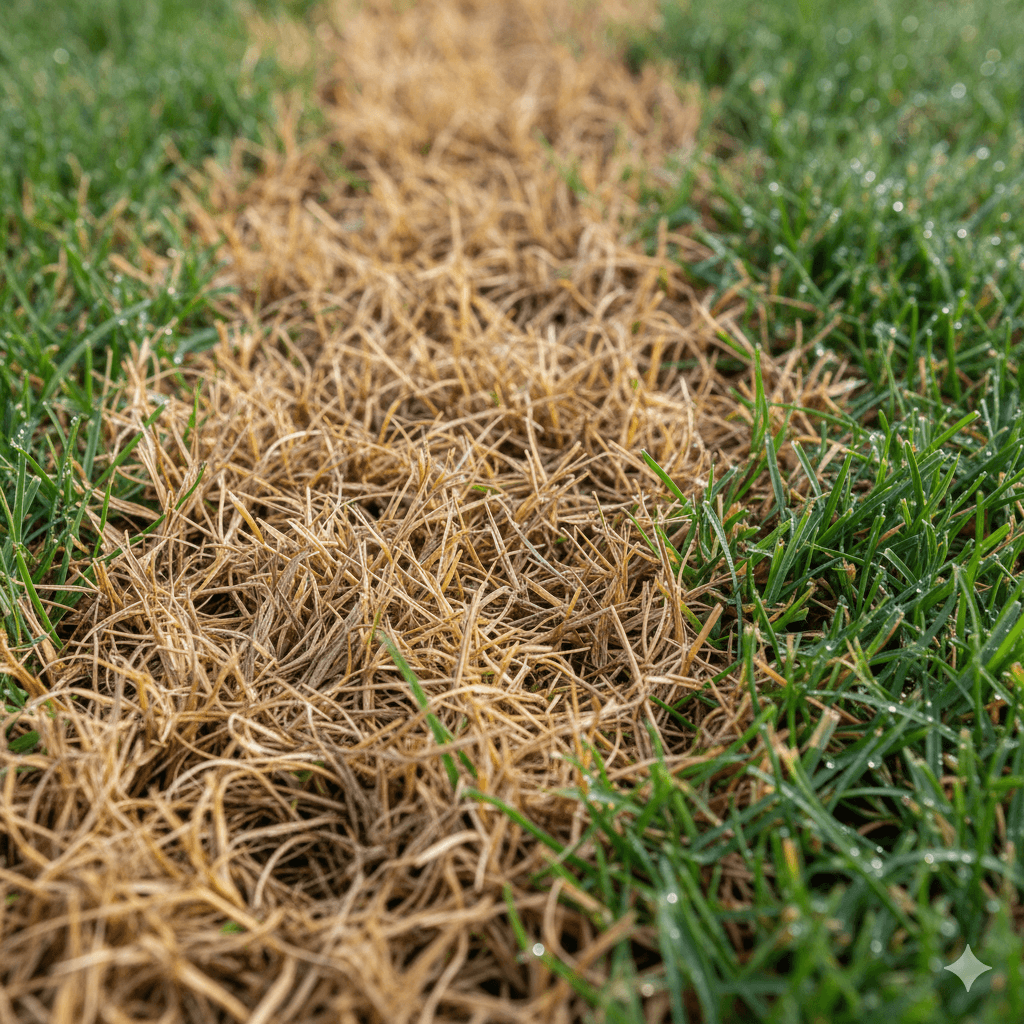
Chinch bugs are one of the most destructive pests affecting St. Augustine grass in Houston. Early identification is key to preventing serious lawn damage. This guide will help you recognize the signs of infestation and understand effective treatment options.
Chinch bugs are small insects about 1/4 inch long. They're black with white wing covers and distinctive markings. These bugs feed by piercing grass blades and sucking out the plant juices, injecting toxins that cause the grass to wilt and die.
Chinch bugs prefer the hot, dry areas of your lawn where St. Augustine grass meets direct sunlight. They often congregate:
Early identification can save your lawn from extensive damage. Look for:
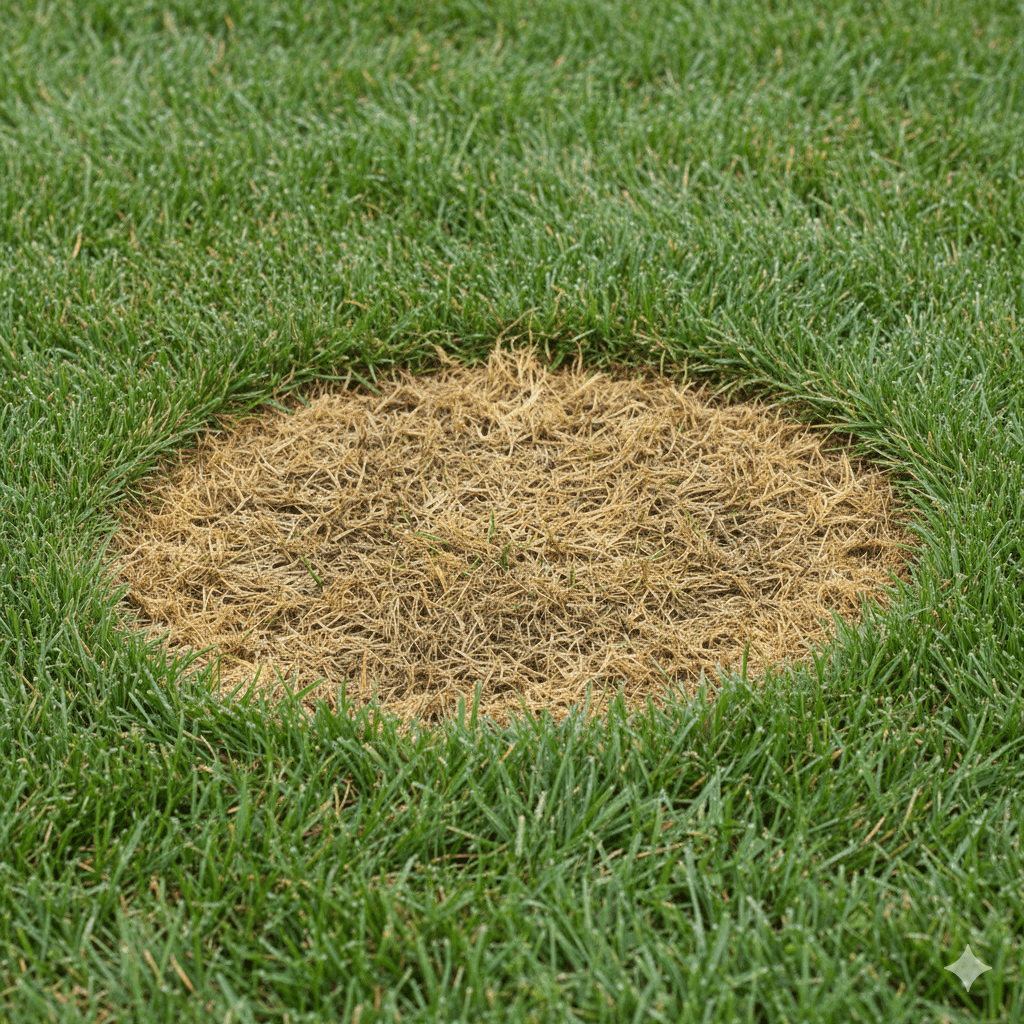
Initial Damage Pattern: Yellow or brown patches typically appear in hot, sunny areas of your lawn. The damage often spreads in a circular pattern outward from the initial infestation point.
Wilting Grass: Affected grass appears wilted even with regular watering. This distinctive sign differentiates chinch bug damage from drought stress.
Red Coloring: Before grass dies completely, it may take on a reddish tone, indicating the plant is under severe stress.
Rapid Spread: Chinch bug damage can progress quickly during hot months when the insects are most active.
Use the soap flush method to detect chinch bugs:
Chemical Control: Pyrethrins and other insecticides labeled for chinch bugs are effective, especially when applied in spring or early summer before populations explode.
Biological Control: Beneficial fungi like Beauveria bassiana can provide control without harsh chemicals.
Cultural Practices:
The best approach is prevention:
If you suspect a significant chinch bug infestation, contact a professional lawn care provider immediately. They can confirm the infestation and apply targeted treatments that protect your investment.
Subscribe to our newsletter to receive seasonal lawn care guides, maintenance tips, and special offers delivered to your inbox.
Subscribe Now