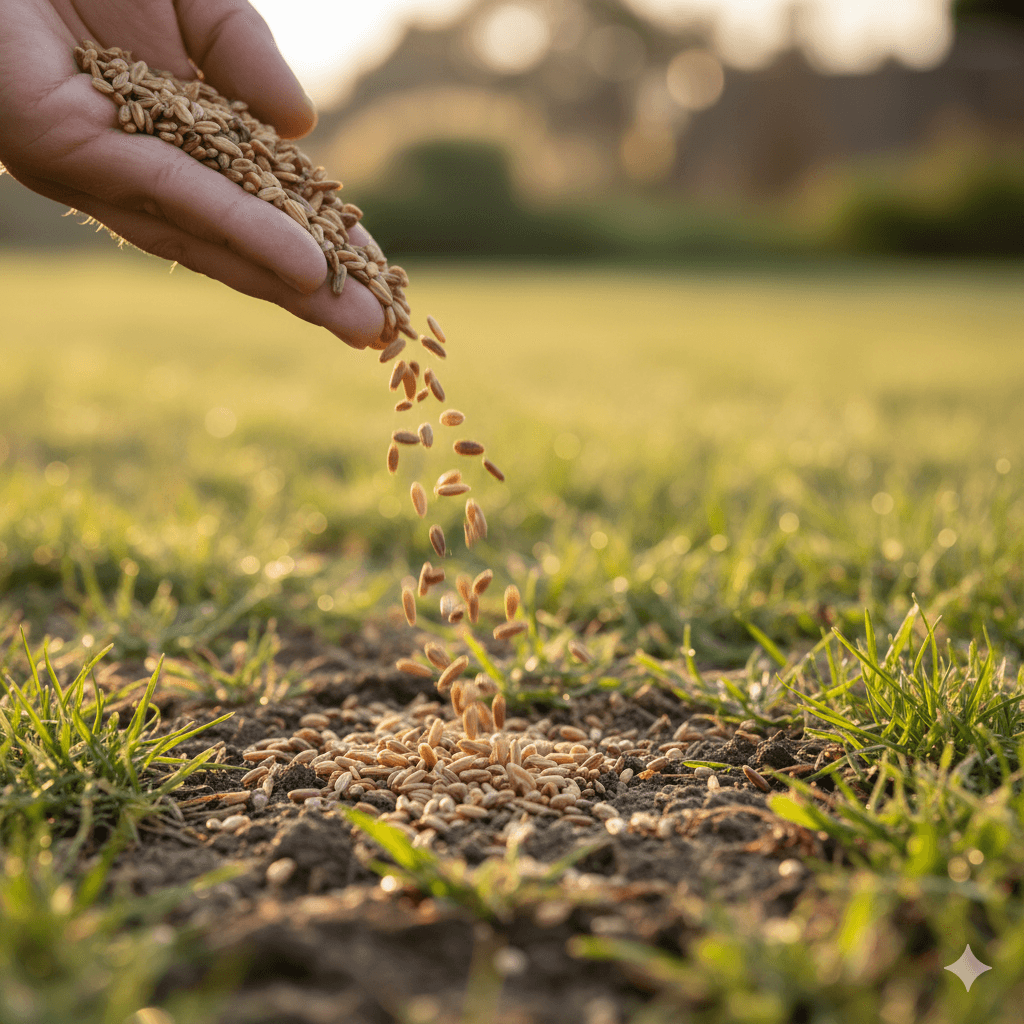
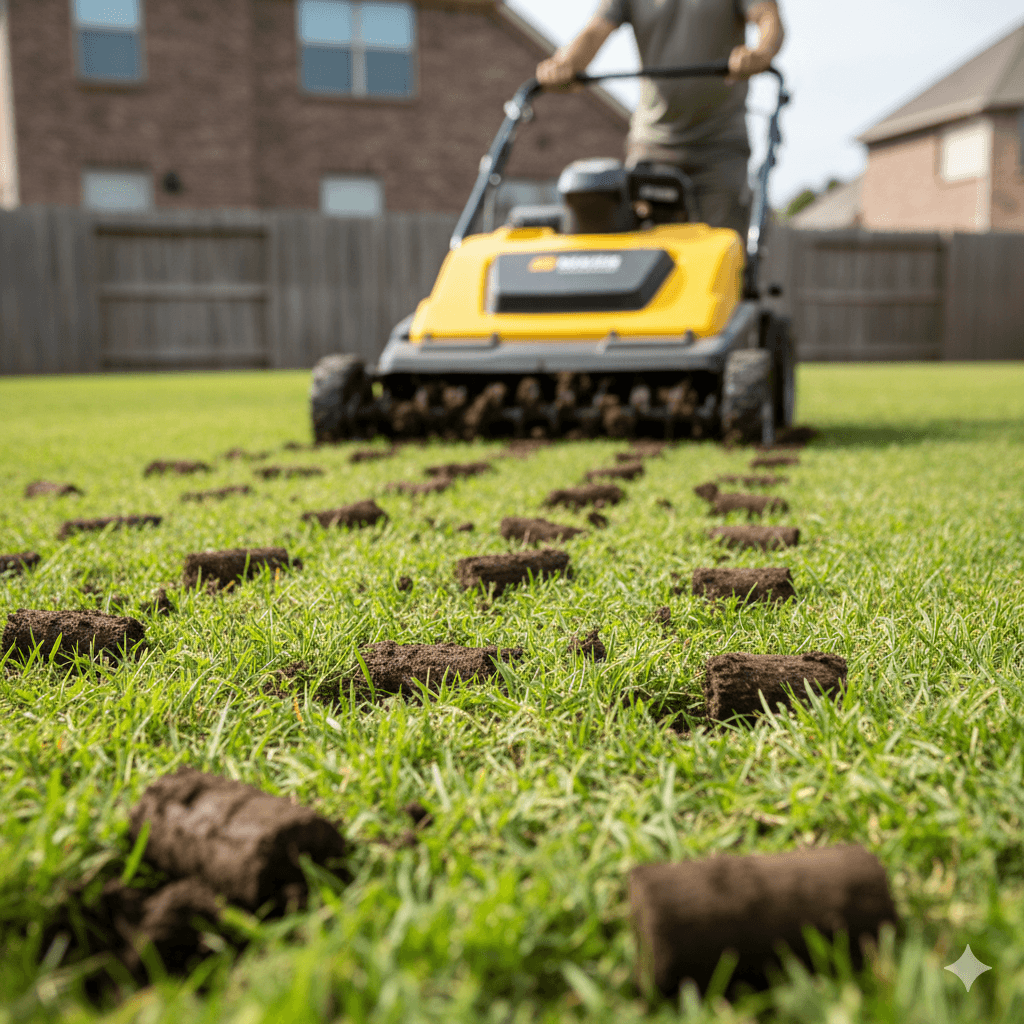
Overseeding is an effective way to thicken thin lawns, repair damage, and improve overall grass density. In Houston, timing and technique are critical for success. This comprehensive guide explains when and how to overseed your lawn effectively.
What Is Overseeding?
Overseeding is the process of applying grass seed to an existing lawn without removing the existing grass. The new seeds germinate and establish alongside existing grass, filling in thin or bare areas.
Why Overseed:
- Thicken weak or thin lawns
- Fill in bare or damaged patches
- Improve disease resistance through genetic diversity
- Enhance color and overall appearance
- Increase weed competition
- Repair traffic damage
- Introduce improved grass varieties
Houston's Overseeding Challenges
Houston's warm climate presents unique overseeding challenges different from northern states.
Cool-Season Grass Seeds: Traditional grass seed varieties (ryegrass, fescue) are cool-season grasses that germinate best in cool weather but struggle in Houston's heat.
Warm-Season Dominance: Our native warm-season grasses (St. Augustine, Bermuda, Zoysia) dominate. Cool-season seed overwinters but won't survive summer heat.
Dormancy Complications: Overseeding creates timing conflicts with warm-season grass dormancy and cool-season grass requirements.
Best Overseeding Times for Houston
Fall Overseeding (August-October): OPTIMAL
Fall is the best time to overseed Houston lawns because of ideal seed germination temperatures and moisture conditions.
Optimal Timing: Late August through September provides the best conditions.
Why Fall Works:
- Soil temperatures dropping to 70-80°F ideal for seed germination
- Warm days and cool nights provide ideal conditions
- Increasing fall moisture and humidity support germination
- Warm-season grass declining allows seed establishment
- New grass has fall and winter to establish deep roots
- Spring growth is vigorous from well-established plants
Cool-Season Grass Success: Cool-season grasses planted in fall:
- Germinate quickly in early fall warmth
- Establish during fall and winter
- Provide winter color when warm-season grass dormancy occurs
- Create lush green appearance through cool months
- Can survive if managed properly
Fall Overseeding Process:
- Aerate lawn in late August (ideal)
- Overseed with cool-season grass blend in late August-September
- Water thoroughly and maintain moisture
- Fertilize lightly to support growth
- Allow grass to establish through fall and winter
- Thin back or remove in spring if warm-season grass takes over
Spring Overseeding (February-March): LIMITED SUCCESS
Spring can work but presents challenges specific to Houston.
Challenges:
- Cool-season seed germinates but struggles through summer heat
- Most seed dies when temperatures exceed 90°F consistently
- Requires intensive management through transition to summer
- Less reliable than fall overseeding
When Spring Works:
- Small repair of winter damage
- Fill in areas missed by fall seeding
- Adding sterile warm-season varieties
- Supplemental seeding after aeration
Spring Technique:
- Seed after last frost danger
- Use cold-hardy seed blends
- Plan to thin back as weather warms
- May need herbicide-friendly varieties
Choosing Grass Seed for Houston
Seed selection dramatically impacts overseeding success.
Cool-Season Blends (Fall Planting)
Perennial Ryegrass:
- Germinates quickly
- Fine texture
- Adequate heat tolerance for spring survival
- Often the primary ingredient in Houston mixes
Tall Fescue:
- Deeper root system
- Better heat and drought tolerance
- Coarser texture than ryegrass
- Good durability
Fine Fescues (Creeping Red, Chewing, Hard):
- Excellent shade tolerance
- Fine, attractive texture
- Less heat tolerant
- Good in shaded areas
Optimal Mix for Houston:
- 50-70% Perennial Ryegrass
- 20-40% Tall Fescue
- 10% Fine Fescue (if shade present)
- Species suited to your specific light conditions
Warm-Season Overseed Options (Limited)
Some sterile warm-season seeds exist but are expensive and less common:
- Sterile Bermuda for sunny areas
- Requires special handling
- Less commonly available
- Higher cost
Soil Preparation for Success
Proper preparation dramatically improves germination rates.
Aeration
Aerate 1-2 weeks before overseeding:
- Creates direct soil contact for seeds
- Loosens compacted soil
- Improves water infiltration
- Removes thatch barriers
Dethatching
If thatch exceeds 1/2 inch, dethatch first:
- Removes barrier to seed-soil contact
- Improves seed success rate
- Creates better growing conditions
- Can be done with aeration
Mowing Before Seeding
Mow short (but not scalped):
- Lower grass to 1.5-2 inches
- Reduces competition for new seed
- Allows seed to reach soil
- Maintains some grass protection
Seed-Soil Contact
Ensure good contact:
- Rake lightly after seeding
- Can use drag mat after broadcasting
- Ensures seeds contact soil
- Improves germination rate
Overseeding Application Methods
Broadcasting
Spreading seed over entire lawn:
Equipment:
- Handheld spreader for small areas
- Drop spreader for even coverage
- Broadcast spreader for large areas
- Wheelbarrow method for hand application
Technique:
- Apply at recommended rate
- Overlap paths slightly
- Make multiple passes for even coverage
- Don't skimp on seed rates
Rate:
- Use recommended pounds per 1000 sq ft for your grass type
- Higher rates improve coverage
- Under-seeding wastes effort
- Follow bag directions
Hydroseeding
Professional hydraulic spraying:
Advantages:
- Even coverage on large areas
- Mulch spray protects seed
- Professional application
- Good for slopes
Disadvantages:
- More expensive
- Less flexible scheduling
- Over-application possible
- Less personal control
Slice Seeding
Specialized equipment cuts slots and deposits seed:
Advantages:
- Excellent seed-soil contact
- Efficient seed application
- Good for dense existing lawns
- High germination rates
Disadvantages:
- Requires specialized equipment
- Often requires professional service
- Higher cost
- Limited availability in some areas
Post-Seeding Care
Watering
Proper moisture is critical for germination:
Initial Watering: Water heavily immediately after seeding to activate seed germination.
Frequency: Water lightly but frequently to keep soil surface moist:
- Water 2-3 times daily if possible
- Apply 1/4 inch water each session
- Reduce frequency after germination
- Transition to normal watering schedule
Duration: Maintain moisture for 2-3 weeks until seedlings establish.
Avoiding Traffic
Protect newly seeded areas:
- Keep people and pets off seeded areas
- Avoid unnecessary foot traffic
- Don't mow until seedlings are 3-4 inches
- Don't apply chemicals during germination
Fertilization
Support seedling growth:
- Light fertilizer application after germination
- Use starter fertilizer (higher phosphorus)
- Avoid heavy nitrogen immediately
- Second application 4-6 weeks later
Mowing
Once seedlings establish:
- Mow when grass reaches 4-5 inches
- Remove no more than 1/3 height
- Keep blades sharp to avoid damage
- Continue regular mowing schedule
Timing Considerations by Grass Type
Overseeding St. Augustine Lawns
Fall Overseeding (BEST):
- Overseed August-September
- St. Augustine dormancy allows establishment
- Cool-season seeds winter well
- Spring green-up is excellent
Spring Overseeding (ACCEPTABLE):
- Limited success
- Most seed dies in summer heat
- Can work for small repairs
- High maintenance through transition
Overseeding Bermuda Lawns
Fall Overseeding (BEST):
- September-October timing optimal
- Bermuda dormancy allows cool-season establishment
- Provides winter color
- Better germination conditions
Spring Overseeding (NOT RECOMMENDED):
- Bermuda vigorously competing
- Heat kills cool-season seed
- Wastes seed and effort
- Better to wait for fall
Overseeding Zoysia Lawns
Fall Overseeding (BEST):
- August-September optimal
- Similar to Bermuda timing
- Provides winter interest
- Creates thick, attractive lawn
Spring Overseeding (LIMITED):
- Can work in early spring
- Monitor summer performance
- May need summer maintenance
What to Expect After Overseeding
Week 1-2: Germination begins in cool-season seeds with proper moisture.
Week 3-4: Seedlings emerge and develop first true leaves.
Week 5-8: Established seedlings developing deeper roots.
Fall into Winter: Cool-season grass gains dominance, providing green color.
Spring: Vigorous growth as temperatures warm.
Late Spring-Summer: Warm-season grass competition may reduce cool-season grass. Expect gradual transition.
Year 2: Lawn density and appearance continue improving if management continues.
Common Overseeding Mistakes
Under-Seeding: Using inadequate seed rates reduces coverage and success.
Poor Soil Contact: Seeds that don't contact soil won't germinate.
Inconsistent Watering: Dry periods between watering kill germinating seed.
Scalping Before Seeding: Removing too much grass exposes roots to stress.
Immediate Heavy Traffic: Foot traffic damages seedlings before establishment.
Wrong Seed Type: Using inappropriate grass types wastes effort.
Ignoring Weather: Seeding during wrong weather conditions reduces success.
Professional Overseeding Services
Professional lawn care services provide:
- Proper equipment
- Appropriate seed selection
- Soil preparation
- Application expertise
- Aftercare management
- Guaranteed results in some cases
Investment in professional overseeding often provides better results than DIY efforts.
Seasonal Integration
Successful lawn care includes overseeding in your annual program:
- Aeration in late summer
- Overseeding in late August/September
- Fall fertilization
- Winter maintenance
- Spring recovery
- Summer monitoring
This integrated approach creates the thickest, healthiest Houston lawn.